Overview
Sermorelin is a research peptide used in laboratory studies focused on growth hormone-releasing hormone (GHRH) receptor signaling, pituitary somatotroph activation, cAMP-associated intracellular pathways, and model-dependent regulation of the somatotropic axis. Its defined sequence and established receptor biology make it a useful tool for controlled experimental work involving endocrine signaling and peptide-receptor interactions.
For Research Use Only (RUO). Not for human or veterinary use.
What’s included
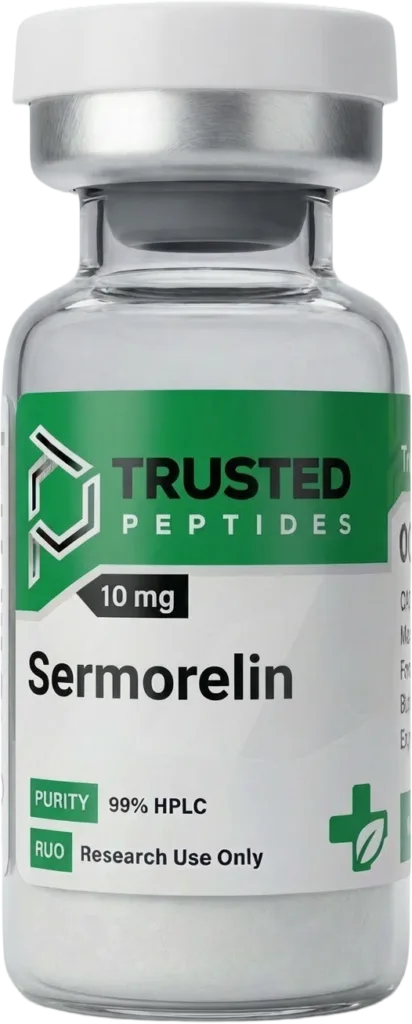
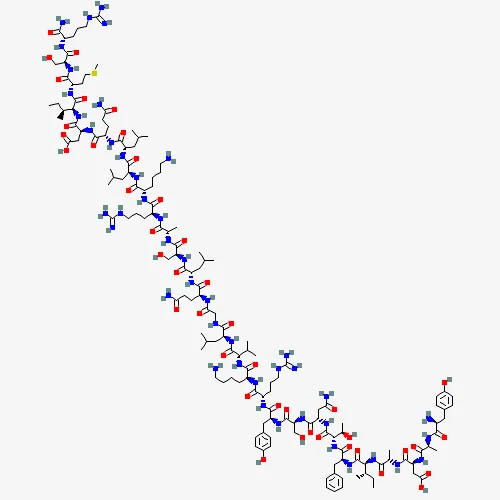
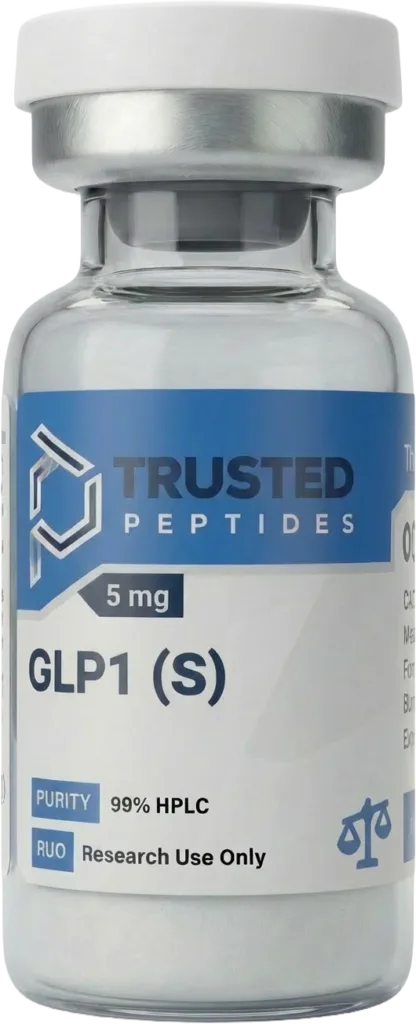
Sermorelin — a synthetic peptide corresponding to GHRH(1-29)-NH2, the biologically active N-terminal fragment of human growth hormone-releasing hormone. In research settings, it is commonly used to investigate GHRH receptor activation, pituitary somatotroph responses, cAMP-linked signaling, and downstream growth hormone-related endocrine readouts in model-dependent systems.
Why researchers study the peptide
Sermorelin is widely studied because the 1-29 amide sequence retains the core biological activity of GHRH and provides a compact, well-characterized ligand for probing receptor-mediated signaling. In experimental systems, it is used to examine peptide-receptor interactions, intracellular messenger responses, and endocrine pathway dynamics associated with pituitary growth hormone regulation.
Because of this, Sermorelin is commonly used in controlled studies to examine:
- GHRH receptor activation and ligand-response behavior
- Pituitary somatotroph signaling and secretory responses
- cAMP-associated intracellular pathway activity
- Growth hormone axis regulation in endocrine research models
- Comparative peptide and analog studies involving potency, stability, or signaling characteristics
Mechanistic context (research-focused)
GHRH receptor signaling: Sermorelin is commonly used as a research agonist for the GHRH receptor in systems designed to study receptor binding and downstream pathway activation.
Somatotroph biology: In endocrine research, sermorelin is used to explore how pituitary somatotroph cells respond to GHRH-like stimulation in model-dependent settings.
Intracellular signaling: Experimental literature commonly associates GHRH receptor activation with cAMP-linked signaling, with additional downstream pathway effects depending on model and assay design.
Endocrine dynamics: Sermorelin may be used in studies evaluating growth hormone-related signaling patterns, response kinetics, and axis-level regulatory behavior under controlled experimental conditions.
These points summarize research directions reported in the literature and do not imply clinical efficacy or approved therapeutic use.
Common research applications
Sermorelin may be relevant in experimental workflows such as:
- Receptor pharmacology studies involving GHRH receptor activation
- In-vitro signaling assays measuring cAMP or related downstream pathway responses
- Pituitary and endocrine research models involving somatotroph function
- Comparative studies of GHRH fragments, analogs, or modified peptides
- Gene-expression and systems-biology workflows tied to somatotropic signaling networks
- Time-course or dose-response studies in applicable experimental systems
Form and analytical verification
Sermorelin is commonly supplied as a lyophilized (freeze-dried) powder to support storage stability and laboratory handling. Identity and composition are typically verified using standard analytical techniques such as:
- HPLC (high-performance liquid chromatography)
- MS (mass spectrometry)
Where available, batch-specific COA, HPLC, and MS documentation should be retained as part of laboratory records.
Storage and handling (general lab guidance)
- Avoid moisture: allow a cold vial to reach room temperature before opening to reduce condensation.
- Keep sealed and protected from light when not in use.
- Long-term storage: lyophilized peptides are typically stored frozen (commonly ≤ -20 °C; colder temperatures such as -80 °C are often preferred for extended storage).
- After reconstitution: prepare only what is needed, aliquot when appropriate, and minimize freeze-thaw cycles. Solution stability depends on solvent, concentration, pH, and temperature and should be validated for the specific protocol in use.
Research-use-only disclaimer
For Research Use Only (RUO). Materials in this category are intended exclusively for in-vitro laboratory research and related experimental use. These materials are not medicines or drugs and are not approved to diagnose, treat, cure, or prevent any disease.
Not for human or veterinary use.