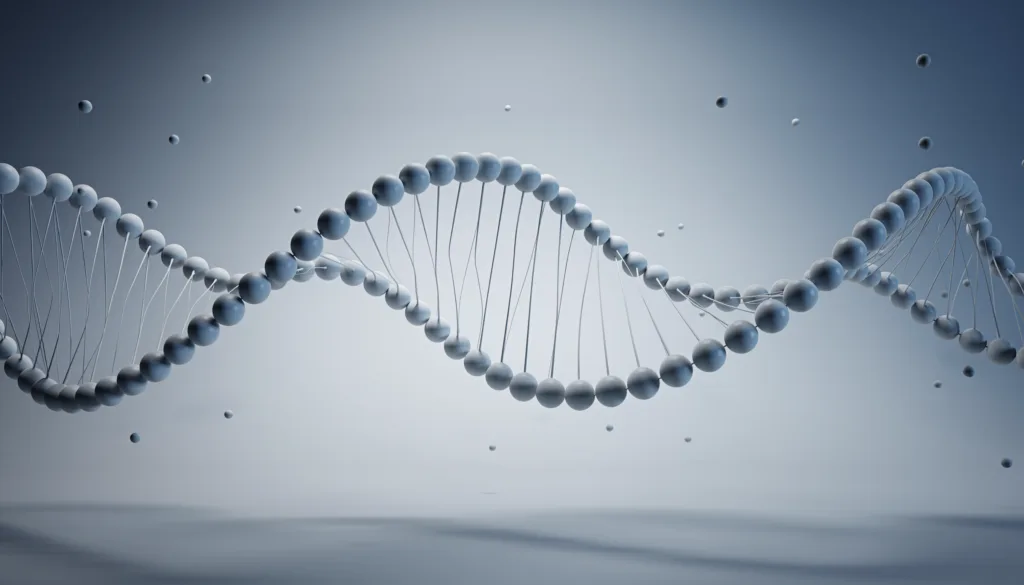
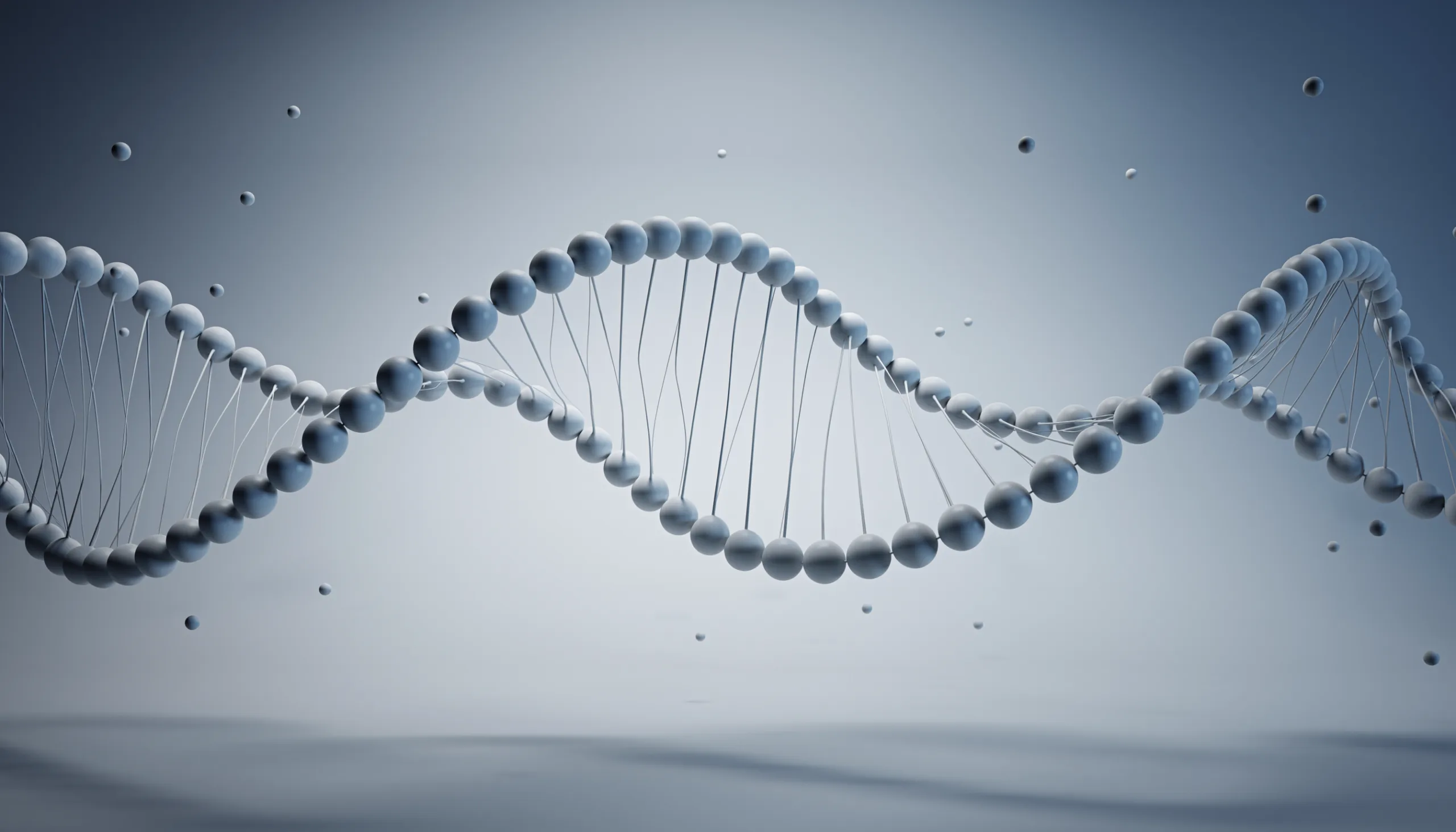
Peptides are short chains of amino acids linked together in a defined order. In research, peptides are widely used as tools: they can model protein fragments, serve as assay standards, support antibody work, and help probe structure–function relationships in controlled experimental settings.
At a glance
- What they are: Amino acid chains connected by peptide (amide) bonds.
- Why they matter: Compact, customizable molecules for targeted experimental design.
- What varies: Sequence, length, terminal chemistry, modifications, salt form, and purity.
What is a peptide?
A peptide is formed when the carboxyl end (C-terminus) of one amino acid reacts with the amino end (N-terminus) of another, creating a peptide bond. The resulting chain has directionality (N → C), which is how sequences are written.
Peptides may be linear (a straight chain) or cyclic (a ring). They may also include modifications such as acetylation or amidation at the termini, phosphorylation on specific residues, or other design elements used in experimental systems.
Common peptide terminology
- Dipeptide / tripeptide: 2 or 3 amino acids.
- Oligopeptide: Short chain (often under ~10 residues; usage varies).
- Polypeptide: Longer chain; sometimes used for peptides that begin to approach protein-like lengths.
- Sequence: The ordered list of residues (e.g., “ACDE…”), written N-terminus to C-terminus.
- Residue: An amino acid once incorporated into a chain.
Why researchers use peptides
- Assay controls and standards (calibration curves, method development).
- Epitope and binding studies (mapping, competition, blocking controls).
- Enzyme–substrate experiments (cleavage motifs, kinetics screening).
- Protein fragment modeling (domain segments, post-translational modification mimics).
- Library screening (systematic sequence variation for discovery workflows).
What to check when purchasing peptides
- Identity: Mass confirmation (commonly MS) should match the expected molecular weight.
- Purity: Understand how purity is reported (often HPLC area%).
- Form: Lyophilized powder vs solution; and the counterion/salt form (if applicable).
- Documentation: Lot-specific Certificate of Analysis (CoA), chromatograms, and handling notes.
Trusted Peptides is built for researchers and buyers who want clear specs and documentation so experimental work can begin with fewer surprises.