Overview
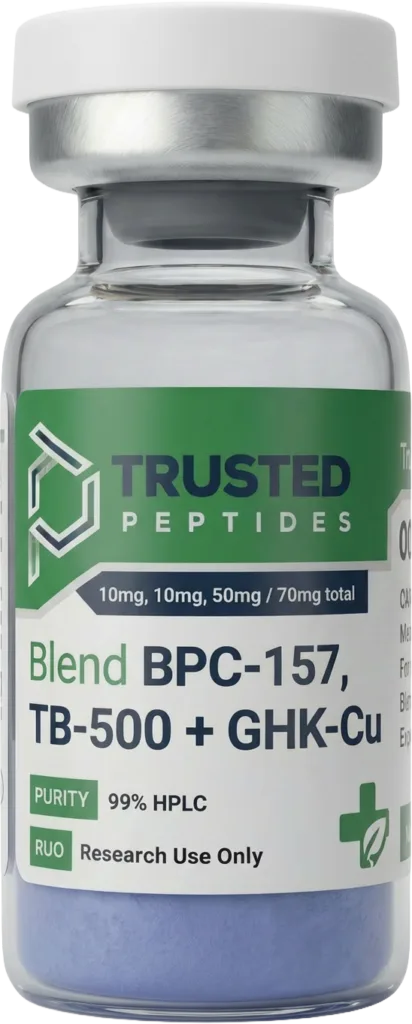
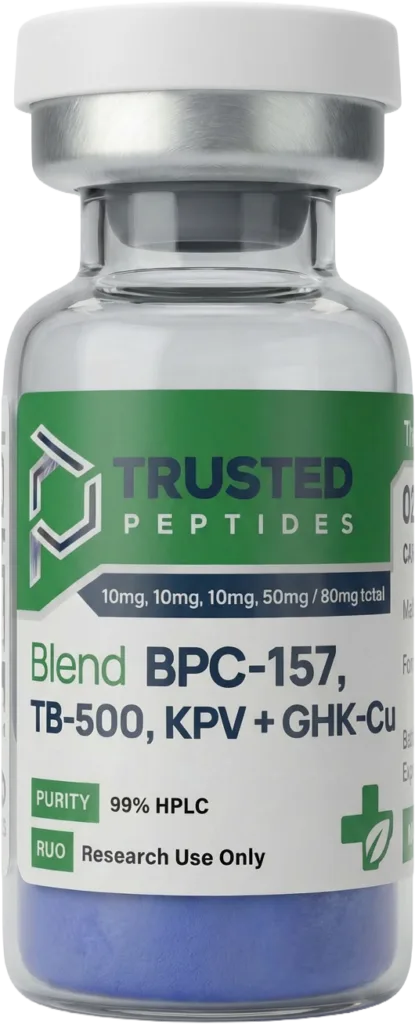
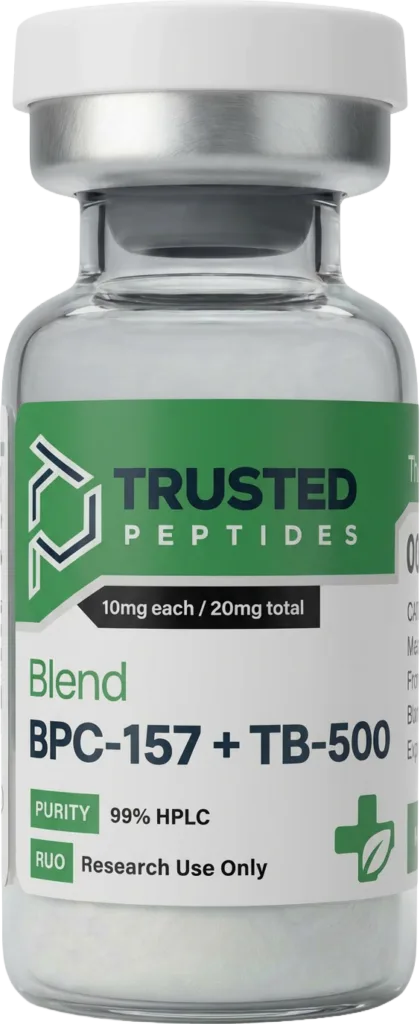
Glow Blend is a multi-peptide research formulation that combines BPC-157, TB-500, and GHK-Cu for laboratory studies focused on cellular stress responses, cytoskeletal dynamics, angiogenesis-related signaling, and extracellular matrix (ECM) remodeling. The intent of this blend is to make it easier to explore multi-pathway biology in a single, standardized preparation.
For Research Use Only (RUO). Not for human or veterinary use.
What’s included
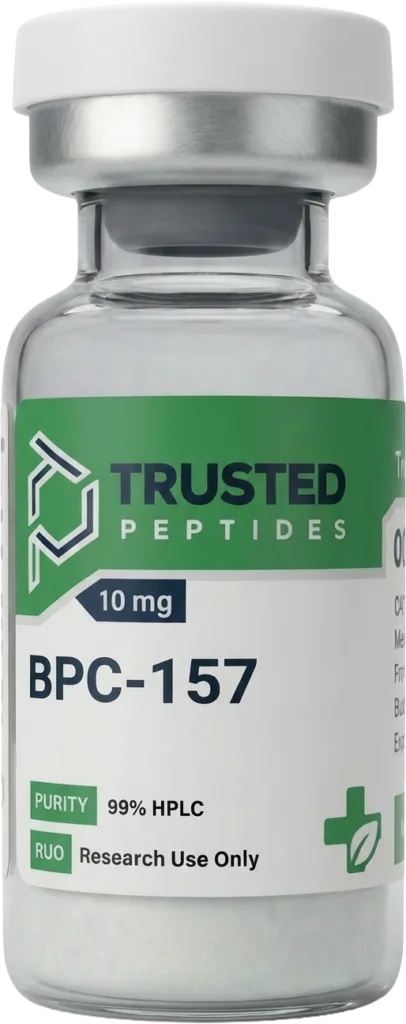
- BPC-157 — a synthetic pentadecapeptide (15 amino acids) described in the literature as a “stable gastric pentadecapeptide.” It is studied in preclinical models for pathways that can intersect with nitric oxide (NO) signaling, vascular responses, inflammatory mediators, and repair-associated gene expression.
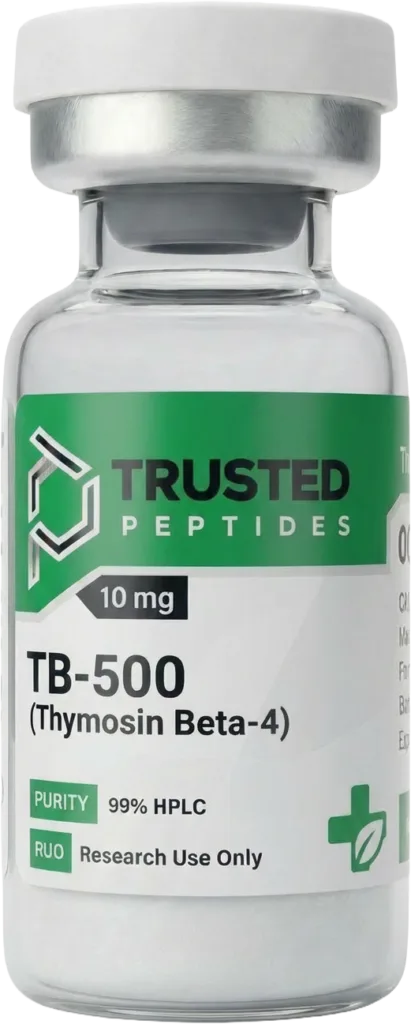
- TB-500 — a commonly used marketplace name associated with thymosin β4 biology. Thymosin β4 is widely studied as a major G-actin–binding / actin-sequestering peptide involved in cytoskeletal organization and cell migration.Note: “TB-500” is used inconsistently across the market (sometimes referring to a fragment). For precise identification, rely on the sequence/CAS and your batch COA, not the nickname alone.
- GHK-Cu — a copper(II)-complexed tripeptide (Gly–His–Lys) naturally reported in human biological fluids. In research settings, it is used to explore copper-dependent redox signaling and ECM-related processes, including the balance of matrix metalloproteinases (MMPs) and their inhibitors in specific models.
Why researchers study the combination
Although these peptides can overlap in the types of biological readouts they’re studied with (e.g., migration, remodeling, stress signaling), their primary targets differ. The rationale for combining them is to test the hypothesis that parallel modulation of:
- NO- and vascular-associated signaling (often explored with BPC-157 models)
- Actin availability and cytoskeletal organization (central to thymosin β4 biology)
- ECM turnover and redox balance (frequently explored with GHK-Cu systems)
…may create additive or interaction effects in controlled experimental designs. Importantly, combination-specific outcomes are still an active area of investigation, and results can vary by model and conditions.
Mechanistic context (research-focused)
- BPC-157: commonly investigated in relation to NO-associated pathways, vascular responses, and inflammation-linked signaling in preclinical systems.
- Thymosin β4 / TB-500: studied for its actin-binding role and downstream effects on cell movement and tissue remodeling. Some models connect thymosin β4 signaling to pathways such as PI3K/Akt in migration-related contexts.
- GHK-Cu: explored for copper-mediated biochemical effects, ECM regulation (including MMP-related readouts), and oxidative-stress signaling in model-dependent studies.
These points summarize research directions reported in the literature and do not imply clinical efficacy or approved therapeutic use.
Common research applications
This blend may be useful in experimental workflows such as:
- In-vitro cell culture studies (migration assays, fibroblast activity, endothelial readouts, oxidative-stress markers)
- ECM remodeling experiments (collagen/ECM deposition markers, MMP/TIMP balance in applicable systems)
- Systems biology studies (gene-expression and pathway analyses tied to inflammation and repair signaling)
- Ex-vivo tissue models and animal studies where permitted and appropriately approved (institutional protocols apply)
Form and analytical verification
Trusted Peptides supplies this blend as a lyophilized (freeze-dried) powder to support stability during shipping and storage. Identity and composition are commonly verified using standard analytical techniques such as:
- HPLC (high-performance liquid chromatography)
- MS (mass spectrometry)
If available for your batch, include your COA / HPLC / MS documentation with your records.
Storage and handling (general lab guidance)
- Avoid moisture: allow a cold vial to reach room temperature before opening to reduce condensation.
- Keep sealed and protected from light when not in use.
- Long-term storage: lyophilized peptides are typically kept frozen (commonly ≤ −20 °C; colder temperatures such as −80 °C are often preferred for extended storage).
- After reconstitution: prepare only what you need, aliquot if appropriate, and minimize freeze–thaw cycles. Stability in solution depends on solvent, concentration, and temperature—validate for your specific protocol.
Research-use-only disclaimer
For Research Use Only (RUO). Products offered by Trusted Peptides are intended exclusively for in-vitro laboratory research and related experimental use. These materials are not medicines or drugs and are not approved to diagnose, treat, cure, or prevent any disease.
Not for human or veterinary use.
Additional clarification
If any scientists or publications are referenced in relation to these peptides, such references are provided for research context only. No individual researcher is endorsing this product, and there is no affiliation implied between those individuals and Trusted Peptides.
Selected references
- BPC-157 review context: Sikiric P. et al., Curr Pharm Des (2018). PubMed
- Thymosin β4 as an actin-sequestering peptide (review): Goldstein A.L. et al., Ann NY Acad Sci (2005). PubMed
- Endothelial migration data for thymosin β4: Malinda K.M. et al., J Cell Biol (1997). PubMed
- GHK-Cu (review + plasma presence): Pickart L. et al., Int J Mol Sci (2018). PMC
- GHK-Cu and MMP-2 in fibroblasts: Siméon A. et al., J Invest Dermatol (2000). PubMed